In the story
The Roadkeepers are introduced through a rule, not a battle or a royal history: leave the door unbarred, keep bread for strangers and trim the wick before dusk. The Road chapter says that travelers need not know their names to find shelter. Their identity rests on what an unknown person can expect to find at the end of a road.
The smaller sites turn that promise into specific practices. A shelter ledger leaves room for one more guest. The pilgrim camp sets seven bowls for six travelers. The hospice requires neither coin nor a name. A quarry order asks for bridge caps and lamp plinths rather than a monument, while the miller saves seed before feeding the road. Together, these details show the labor behind an open door.
The expedition and the vessel interrupt this world of ordinary work. The Furnace records workers sealing their kilns and retreating to the keep. The Last Light later admits that doors were closed one after another until the lanterns served only those inside. That changes whom the fellowship’s work is for. The records leave the fate of the individual workers and travelers largely unknown.
Enna’s last appeal returns to the earlier rule: open the doors again. The keep’s notices still put the sick first and reserve bread for others. Reading the remains as a conflict between protection and hospitality is supported by those records; the story does not supply a complete dated history, name every member or show a restored fellowship after the final chapter.
Inscriptions & evidence
- I · The RoadThe Road states the rules of open doors, bread for strangers and a tended wick.
- V · The FurnaceThe Furnace records workers fleeing to the keep.
- VI · The Last LightThe Last Light admits that the lanterns served only those inside and asks for the doors to reopen.
- I · The RoadSeparate notices at the camp, shelter, hospice, quarry and mill preserve the everyday practices described in this article.
Connected places
- Roadkeeper’s ShelterA timber-framed roadside inn with a hearth, guest rooms and a light above the door.
- Pilgrim CampA stopped wagon, two cloth shelters and a meal laid out beside the road.
- Roadkeeper InfirmaryAn L-shaped hospice with separate wards, herb walks and a quiet bell cupola.
- Quarry WorksiteA timber crane suspends cut stone above a terraced masonry yard.
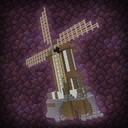
- Ruined WindmillA tapered mill tower with four canvas sails, a furnished loft and a low grain annex.
- Last Lantern KeepA horseshoe fortress whose great hall and upper library preserve Enna’s last appeal.
Unanswered questions
- How much time passed between the fellowship’s open hospitality and its retreat?
- What became of the unnamed workers and travelers?
- Who, if anyone, received the orders to open the gates?